Tashkent – attractions, things to do and city itinerary
This guide brings together the most important Tashkent attractions: the Old City, Soviet-era architecture, modern Tashkent City, metro stations, bazaars, museums, parks and religious sites. It is designed for travellers who want to understand what to see in Tashkent in 1 or 2 days and how to turn the capital into a comfortable starting point for a longer Uzbekistan trip.
Why Tashkent matters for your Uzbekistan trip
Most classic itineraries look like this: Tashkent → Samarkand → Bukhara → Khiva. The capital gives you a soft landing in the country, easy logistics, and a good mix of Soviet, modern and traditional Uzbekistan – before you dive into the Silk Road cities.
If you have a long layover (6–8 hours), a short Tashkent layover tour can cover the main sights with a pick-up and drop-off at the airport.
Where is Tashkent and how to get there
Tashkent is the capital and largest city of Uzbekistan, located in the eastern part of the country, close to the border with Kazakhstan. On the map, Tashkent sits at the crossroads of major routes in Central Asia and serves as the main starting point for most trips around Uzbekistan.
- Tashkent International Airport (TAS) connects the city with Europe, the Middle East, Turkey, CIS countries and Asia.
- High-speed Afrosiyob trains link Tashkent with Samarkand, Bukhara and Karshi, making it easy to build rail-based itineraries.
- The Tashkent Metro, official taxis and ride-hailing apps make getting around the city efficient and budget-friendly.
Quick answers for voice search
Where is Tashkent located?
In eastern Uzbekistan, near the Kazakhstan border, serving as the country’s capital and main transport hub.
How to get to Tashkent?
By international flight to TAS airport or by high-speed Afrosiyob train from Samarkand and Bukhara.
How many days do you need in Tashkent?
At least 1 full day for the highlights, and ideally 2 days to include museums, parks and modern districts.
Why visit Tashkent
A city of three eras
Tashkent is one of the few places where you can see Old City mahallas and madrasas, Soviet modernist architecture and glass-and-steel business districts in a single day. This combination makes the city very different from classic Silk Road stops like Samarkand and Bukhara.
Easy logistics and soft landing
With its international airport, train stations, metro and wide avenues, Tashkent is a very practical first stop in Uzbekistan. It helps travellers acclimatise to the country, time zone, language and cuisine before heading deeper into Central Asia.
A comfortable, green capital
Tashkent is surprisingly green: tree-lined streets, canals, parks and squares. There are plenty of cafés, restaurants and outdoor spaces, making it a pleasant city not only to “tick off the sights” but simply to walk, sit and watch local life.
Tashkent attractions: what to see in Tashkent
Old Tashkent and traditional architecture
Khast Imam Complex
The spiritual heart of Tashkent and one of the key Tashkent attractions. The Khast Imam (Hazrati Imam) complex includes Barak Khan Madrasa, the Tilla Sheikh Mosque and the mausoleum of Kaffal Shashi. It also houses the famous Quran of Uthman, considered one of the world’s oldest Qurans. This is the best place to start exploring the Old City.
Old Tashkent walking tour →Kukeldash Madrasa
A 16th-century madrasa near Chorsu Bazaar, with massive brick walls and a quiet inner courtyard. Kukeldash is one of the most recognisable landmarks of Old Tashkent and a good example of traditional educational and religious architecture in Central Asia.
Mahalla neighbourhoods
Beyond the main monuments, Old Tashkent is made up of mahallas – traditional neighbourhoods with narrow streets and low houses. Walking here gives a sense of what Tashkent looked like before wide Soviet boulevards and high-rises appeared on the map.
Tashkent in the Russian Empire and Soviet era
Amir Temur Square and the Soviet centre
Amir Temur Square is surrounded by buildings from different times – from pre-revolutionary to Soviet and contemporary. This is a good starting point for a Tashkent city walk, and a place where you can clearly see how the city changed throughout the 20th century.
Navoi Opera and Ballet Theatre
Built in the mid-20th century, the Alisher Navoi Opera and Ballet Theatre combines classical and Oriental elements. It hosts operas, ballets and concerts, and its richly decorated interiors are as impressive as the exterior façade. It is a key cultural attraction of Soviet Tashkent.
Tashkent TV Tower
One of the tallest TV towers in the region (375 m) and a symbol of modern Tashkent built in the late Soviet period. Today it also functions as an observation deck with panoramic views and a revolving restaurant – a good way to see how big the city really is.
Tashkent Metro
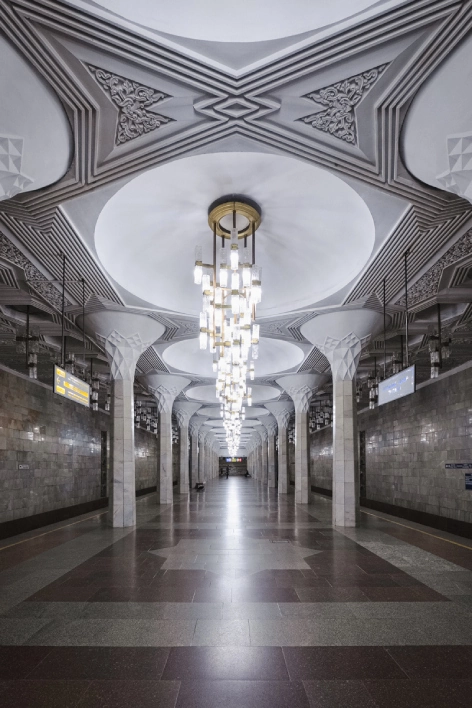
Built during the Soviet era, the metro is itself one of the most unique attractions in Tashkent. Many stations are decorated like underground palaces – with marble, chandeliers, mosaics and themed designs. A short metro ride is both practical transport and a small architectural tour.
Monument of Courage
A powerful memorial dedicated to the 1966 Tashkent earthquake and the people who rebuilt the city. The sculpture with a cracked clock and a family figure symbolises the shock, resilience and massive reconstruction efforts that transformed Tashkent into a new Soviet metropolis.
Mustaqillik (Independence) Square
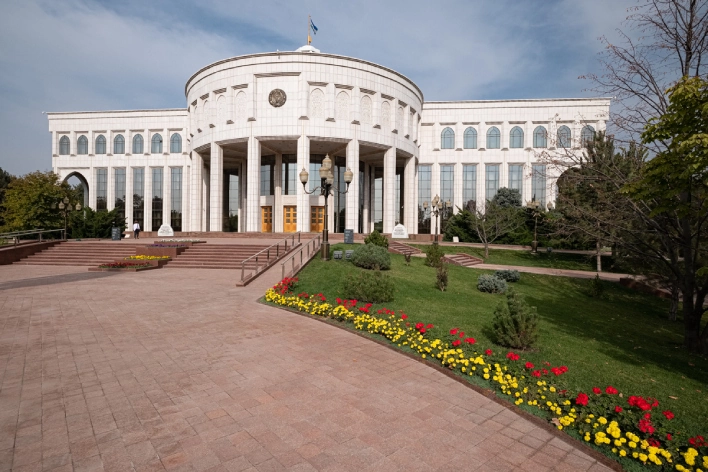
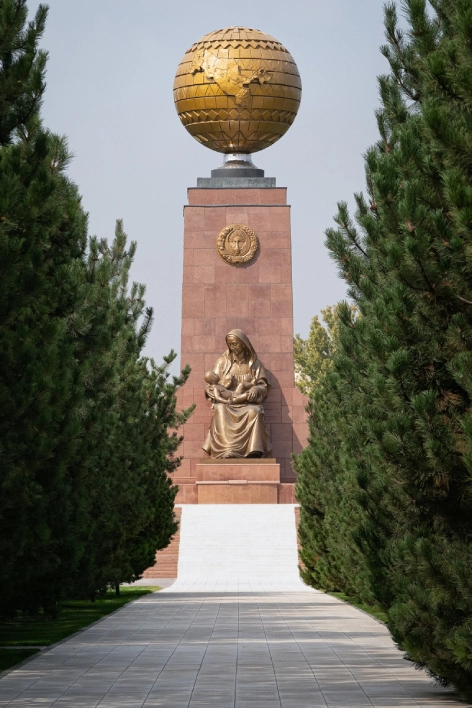
Formerly Lenin Square, today the main square of independent Uzbekistan. It features the Monument of Independence and Humanism, fountains and government buildings. The square illustrates the transition from Soviet symbolism to the era of independent Uzbekistan and is a key stop on any Tashkent itinerary.
Modern Tashkent and New Uzbekistan
Tashkent City Park and business district
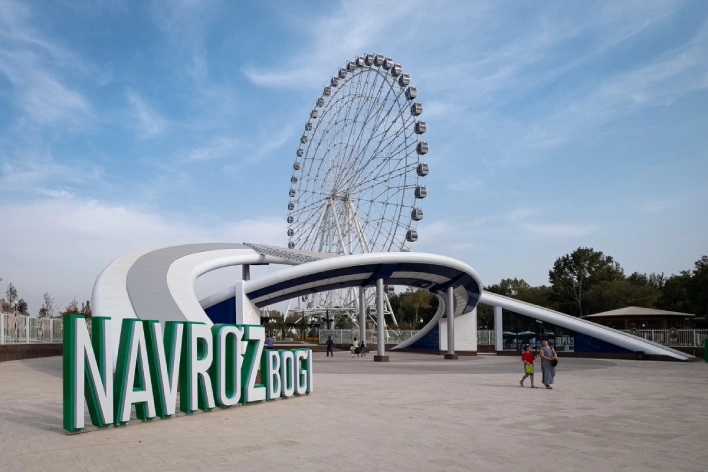
The Tashkent City business district combines offices, hotels, residential towers and a park with fountains and promenades. In the evening, the area is beautifully illuminated and becomes one of the most popular places for both locals and visitors to walk.
Minor Mosque
A snow-white mosque built in the 21st century on the banks of the Ankhor Canal. Its terraces and minimalist architecture create a calm atmosphere and offer good photo opportunities, especially at sunset and in the evening light.
Center for Islamic Civilization in Uzbekistan
A major new cultural and educational complex located near Khast Imam. The Center for Islamic Civilization is designed to present Uzbekistan’s rich Islamic heritage through museums, research spaces and modern exhibitions. As the project nears completion, it is expected to become one of the key intellectual and cultural hubs in Tashkent, showcasing both ancient manuscripts and interactive displays.
Bazaars and markets in Tashkent
Chorsu Bazaar
The main oriental bazaar of Tashkent, recognisable by its turquoise domes. This is the best place to feel everyday local life: spices, nuts, dried fruits, bread, samsa and street food stalls all under one roof and in the surrounding lanes.
Alay Bazaar
A market popular with locals for fresh produce, fruit, vegetables, honey and dairy products. Less touristy than Chorsu, it shows a more everyday side of Tashkent shopping.
Yangiabad flea market
A large flea market where you can find almost anything: clothes, electronics, dishes, old books, Soviet memorabilia and antiques. Yangiabad is a great place to experience the “real-life” Tashkent away from polished tourist routes.
Museums in Tashkent
Museum of Applied Arts
Housed in a 19th-century mansion with carved interiors, the museum presents ceramics, woodcarving, embroidery, susani, jewellery and other examples of Uzbek applied arts. One of the most atmospheric museums in Tashkent.
State Museum of History of Uzbekistan
Traces the history of the region from ancient civilisations and empires to the modern Republic of Uzbekistan. Visiting this museum helps better understand what you will later see in Samarkand, Bukhara and other historic cities.
Amir Timur Museum
A domed building dedicated to the life and legacy of Amir Timur (Tamerlane) and the Timurid dynasty. Maps, artefacts, models and artworks explain how Timur’s empire influenced the wider region and the world.
Parks and green areas in Tashkent
Alisher Navoi Park
A large central park with a lake, walking paths and plenty of shade. A good place to relax after an intensive sightseeing day or enjoy a quiet stroll with locals.
Eco Park
A modern park designed for jogging, outdoor sports and family time. It has running tracks, outdoor gyms and quiet corners for reading or picnics – a good example of “new Tashkent”.
New Uzbekistan Park
One of the newest and largest parks on the outskirts of the city. With wide avenues, memorial complexes and landscaped areas, it can easily fill half a day for those who enjoy walking and photography.
Religious architecture in Tashkent
Mosques and Islamic complexes
The Khast Imam complex, Minor Mosque and historical mosques like Khoja Ahrar Vali highlight Tashkent’s long Islamic heritage. Together with the new Center for Islamic Civilization, they show how the city combines religious history and modern educational initiatives.
Churches and other places of worship
The city is home to the Assumption Cathedral (Orthodox), the Roman Catholic Church of the Sacred Heart, an Armenian Apostolic church and other places of worship, reflecting Tashkent’s multi-confessional and multicultural character.
1–2 day Tashkent itinerary
Tashkent in 1 day
Morning: Amir Temur Square, Broadway (Sayilgoh), Navoi Theatre and surrounding streets. Mid-day: metro ride, Old City, Khast Imam and Kukeldash Madrasa. Afternoon: Chorsu Bazaar and nearby streets.
This 1-day itinerary covers the main Tashkent highlights and works well for travellers with a limited schedule or a long layover.
Book this 1-day Tashkent tourTashkent in 2 days
Day 1: Old City, Khast Imam, Chorsu, several metro stations. Day 2: Minor Mosque, Tashkent City, parks and viewpoints such as the TV tower or New Uzbekistan Park.
This plan shows both historic and modern Tashkent, allowing time for museums, cafés and relaxed evening walks.
Get a customised 2-day itineraryPractical information for visiting Tashkent
Best time to visit
The most comfortable seasons are spring (April–May) and autumn (September–October), when the weather is mild and ideal for walking around the city and visiting bazaars. Summer can be hot; winter brings cooler temperatures and occasional snow but fewer tourists.
Money and payments
The local currency is the Uzbek som. Bank cards are generally accepted in hotels and larger restaurants, while small cafés and markets often prefer cash. Currency exchange should be done in official exchange offices or ATMs, which are widely available in Tashkent.
Dress code and etiquette
Casual city clothing is fine for most situations. When visiting mosques and religious sites, modest clothing is recommended (covered shoulders and legs), and a respectful attitude towards local customs is appreciated.
Airport and hotel transfers in Tashkent
For many travellers, the first practical question after landing is simple: “How do I get from Tashkent airport to my hotel?” and later – “How do I get from the hotel to the train station or back to the airport?”. To make arrival and departure stress-free, we arrange private transfers with an English-speaking coordinator.
Tashkent airport → hotel transfer
A driver meets you at the arrival hall with a name sign, helps with luggage and drives directly to your hotel or apartment in Tashkent. This is the easiest way to start your trip after a long flight and to avoid negotiating prices at the airport.
Transfers can be arranged for solo travellers, families and small groups, with vehicles matched to your group size and luggage.
Hotel → train station or airport
On the day you leave Tashkent, a pre-booked car picks you up from your hotel and takes you to the train station (for Afrosiyob trains to Samarkand or Bukhara) or back to the airport for your onward flight.
This helps avoid last-minute stress and ensures you arrive at the station or airport on time. Transfers can be combined with a short city tour if you have several free hours before departure.
If you are interested in Tashkent airport transfers or point-to-point transport between hotels, stations and sights, simply mention this when requesting your Tashkent city tour or Uzbekistan itinerary.
Tashkent city tours
A guided Tashkent city tour helps you see more in less time, combining the Old City, metro, bazaars, Soviet and modern districts in a logical and comfortable route. Below are example formats that can be tailored to your dates, interests and travel style.
Classic full-day Tashkent tour
A full-day program (6–7 hours) covering Amir Temur Square, the Old City, Khast Imam, Kukeldash, Chorsu Bazaar, selected metro stations and key viewpoints. Ideal for a first visit to Tashkent.
Request full-day tour detailsEvening Tashkent tour
A 3–4 hour evening tour focusing on Tashkent City, Minor Mosque, fountains and illuminated squares. A good choice for the day of arrival or before departure, when a full-day program would be too intense.
Get evening tour quoteFAQ – frequently asked questions about Tashkent
What are the must-see attractions in Tashkent?
The main attractions include the Khast Imam Complex, Old City, Chorsu Bazaar, Kukeldash Madrasa, Amir Temur Square, the metro, Tashkent City, Minor Mosque and Mustaqillik (Independence) Square.
Is Tashkent worth visiting?
Yes. Tashkent combines Old City charm, Soviet heritage and modern districts. It offers a softer, more local view of Uzbekistan compared to the iconic Silk Road cities and works very well as your first stop.
How many days do I need in Tashkent?
One full day is enough for the highlights. Two days allow you to add museums, parks, viewpoints and evening walks, and make the experience more relaxed.
Is Tashkent safe for travellers?
Central areas of Tashkent are generally considered safe and comfortable for walking during the day and in the evening. As in any large city, using official taxis and following normal travel precautions is recommended.
How do I get from Tashkent airport to my hotel?
You can use official taxis, ride-hailing apps or book a private airport–hotel transfer in advance. A pre-arranged transfer with a driver meeting you in the arrivals hall is the most convenient and predictable option after a long flight.