Before paying for tickets
Confirm your visa category, permitted length of stay and number of entries. For an overland journey, check the specific crossing point and the documents required by the neighbouring country.
First, check your right to enter with your passport and itinerary. Passport control and customs are separate checks at the border; after check-in, arrange registration of your place of stay.
This guide helps you prepare your documents and belongings: what to check before buying a ticket, when to declare items and which records to keep until departure. Visa conditions depend on nationality, purpose, length of stay and number of entries.
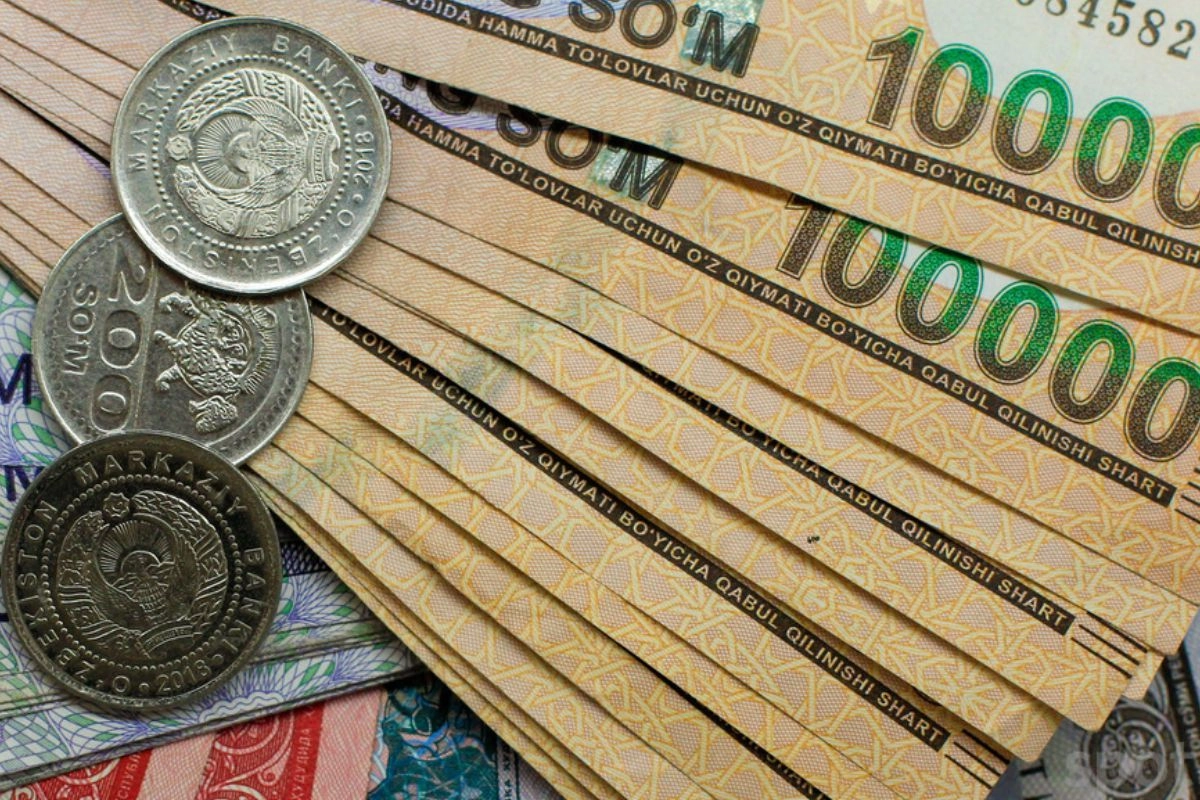
Permission to enter and permission to carry belongings are separate matters. Passport control checks your travel document and visa, if required. Customs separately checks cash, new purchases, phones, medicines and restricted items. Prepare for both checks before departure.
Follow the control procedure at your border crossing. Where green and red corridors operate, choose according to your baggage and cash. If you must declare an item or are unsure of its category, ask an officer before entering the green corridor and use the red one. A declaration does not replace a permit for a restricted item.
Check the rules for your nationality, travel-document type, purpose and length of stay: visa-free entry, e-visa or consular visa. Rules for one passport cannot be assumed to apply to another, even if both holders live in the same country. Confirm the last permitted day of stay before booking your return journey.
Check your passport validity and name spelling against the rules for your entry category and visa details. If your itinerary crosses into a neighbouring country and returns to Uzbekistan, check the number of permitted entries, your right to enter that country and the chosen border crossing. Do not rely on a visa on arrival without prior confirmation from the Ministry of Foreign Affairs; it is not generally guaranteed.
Check whether you need a visa for your nationality in the Uzbekistan MFA visa list (in English). If you need an e-visa, apply through the official e-visa.gov.uz portal.
Duty-free limits for personal goods and exceptions are set out in Resolution No. 244 (in Uzbek).
The cash threshold for entering and leaving is set out in Resolution No. 66 (in Russian). Check the current versions before travelling.
Confirm your visa category, permitted length of stay and number of entries. For an overland journey, check the specific crossing point and the documents required by the neighbouring country.
Bring the original valid travel document linked to your visa, if you need one. Save your e-visa, first-night address and accommodation contact details, tickets and itinerary. Keep purchase receipts and medicine documents separately if relevant.
Before customs control, assess your cash, purchases, phone and restricted items. If a passenger declaration is required, complete it and present it to an officer; where corridors operate, do this before choosing the green one. Keep the processed copy.
Find out who registers your place of stay. A hotel handles this through E-mehmon; if you stay with friends or in private accommodation, arrange the process with your host.
From 1 May 2025, Resolution No. 244 sets value limits for non-commercial goods carried for personal use: up to $1,000 when arriving by air, $500 by rail or river and $300 through a road or pedestrian crossing. This is a value limit, not permission to import any item that falls below it.
The duty-free allowance does not apply if you spent less than two calendar days abroad before entering by road, rail or river, less than three calendar days before entering by air, or travelled abroad three or more times in one calendar month. In such cases, the unified customs payment is calculated on the full value of imported goods; with an ordinary excess, it applies to the excess. Used personal effects are assessed separately based on signs of use and the circumstances of the trip.
From 8 February, customs considers the quantity of personal medicines, repeated crossings, purpose and length of travel. From 2 March, an imported mobile device must be listed in the passenger declaration regardless of its price; an exception applies to a device bought in Uzbekistan and already registered in the IMEI database.
From 9 April, revised quantity limits apply to alcohol, tobacco, perfume and dietary supplements. The current personal-baggage guidance appears below; check the contents, quantity and documents for your particular items before travel.
For travellers aged 21 or over, the annex to Resolution No. 244 allows up to 2 litres of alcohol, including beer, and one of these tobacco allowances: 200 cigarettes, 5 cigars or 100 g of tobacco. The quantity allowance applies alongside the value allowance; payment may be due above it.
The 9 April 2026 version of the annex to Resolution No. 244 refers to up to three bottles of perfume or eau de toilette with a separate volume restriction. Before travel, confirm how that restriction applies to your bottles using the current text or with customs.
A duty-free allowance applies to supplements: up to ten different products in their primary packaging, one package of each, with a combined weight of up to 3 kg. If the quantity exceeds the limit for import without a permit, obtain the relevant Uzbekistan Ministry of Health permit in advance and present it to customs with your declaration. Paying customs duty does not replace the permit; check the ingredients before travel.
Keep receipts for new items. Several identical products, factory packaging and frequent border crossings may affect whether goods are treated as personal-use items. Commercial imports follow a different procedure.
You may bring cash into Uzbekistan without an amount limit, but you must declare the entire amount of cash in Uzbek sums and foreign currency if the combined equivalent exceeds UZS 100 million. At exactly UZS 100 million or less, declaration is voluntary. This is not a fixed US-dollar threshold: the equivalent depends on the exchange rate on the day you cross the border.
Exporting up to the equivalent of UZS 100 million is generally permitted without a separate amount restriction. Above that amount, you need a basis allowed by the current rules and a declaration. For a non-resident visitor, such a basis may be the unused portion of cash declared on entry. Keep the processed copy. An ordinary bank exchange certificate alone does not entitle you to export an amount above the threshold.
The red corridor is for items and cash requiring written declaration, and for voluntary declarations. The cash threshold is separate from the value of goods: if the combined equivalent of all cash currencies exceeds UZS 100 million, enter the full amount, not just the excess. Purchases are subject to a value allowance based on how you enter; it does not apply to the value of a temporarily imported car.
Customs may inspect baggage even in the green corridor. If an item must be declared, tell an officer before choosing the green corridor. You can complete the passenger declaration on paper or electronically; a document prepared in advance must still be presented to an inspector. Keep the processed copy, especially if you plan to take out a large amount of cash later.
Add together cash in sums and foreign currencies using their sum equivalent. If the total is strictly greater than UZS 100 million, declare the full amount and present the money to the inspector. Exactly UZS 100 million or less may be declared voluntarily. The rule applies both on entry and exit; exporting more is allowed only in specified cases.
For personal goods brought in, the value limits are $1,000 by air, $500 by rail or river and $300 through a road or pedestrian crossing. If your goods exceed the applicable allowance, complete a declaration and present receipts. This threshold is an exemption from payment, not permission to bring in a restricted item.
An imported mobile device must be listed regardless of price, except one bought in Uzbekistan and already registered in the IMEI database. Declare controlled medicines and other prohibited or permit-controlled goods according to their specific rules. A declaration alone does not replace a drone permit.
If a foreign tourist temporarily imports a car, enter its details in the passenger declaration and complete the re-export undertaking using the driver’s identity document and the vehicle registration certificate. Keep the processed customs documents until departure.
Ordinary personal medicines within the allowance may be carried without a medical-institution document: up to ten different products and five packages of each. Keep them in manufacturer packaging; package contents and dosage forms have separate limits. Narcotic and psychotropic medicines follow other rules and must be declared. A step-by-step explanation and links to the official lists appear below.
From 2 March 2026, bringing in a mobile device requires a passenger declaration regardless of value. The exception is a device previously bought in Uzbekistan and already registered in the IMEI database. Declaration at the border and IMEI registration for a local network are separate steps. Before relying on the exception, check your proof of purchase in Uzbekistan and the device’s existing IMEI registration.
An ordinary visitor cannot simply bring a drone for personal filming. Transit is provided for only with mandatory declaration; permitted filming requires special documents obtained in advance. The steps appear below.
Before buying an antique, old carpet or artwork, check the rules for exporting cultural property and keep the seller’s documents. If a separate export document is needed, obtain it before travelling to the border.
If you are travelling as an ordinary tourist, do not pack a drone without a confirmed permit basis in advance. The restriction also covers components and spare parts; small size and a personal filming purpose do not in themselves grant permission to import or fly it. A declaration without a permit does not make a prohibited import lawful.
A special temporary-import procedure is available for a foreign creative group filming material about tourism potential. Before travel, contact the competent tourism authority or Uzaviation and obtain the confirmed application procedure. In addition to permission to import and use the drone, you may need radio-equipment authorisation, registration and operating approval for the aircraft, plus airspace permission for the flight.
A tourist itinerary alone does not grant permission to import, keep or launch a drone. Before travelling, ask Uzaviation about your exact model and intended purpose; without the required documents, leave the aircraft out of your itinerary.
An exception allows drone transit with mandatory customs declaration. Before departure, confirm the process for your route and crossing with customs. Transit does not permit you to fly the drone or use it for filming in Uzbekistan.
Before crossing the border, obtain permission to temporarily import and use a drone to film material about tourism potential. Bring the supporting documents; submitting an application alone does not yet authorise import.
Permission to import does not by itself permit a flight. Before launching, meet any applicable radio-equipment, registration and Uzaviation operating-approval requirements; obtain permission to use the airspace for the planned flight.
A foreign tourist may temporarily import a foreign-registered car for a non-commercial trip. On entry, complete a passenger declaration with vehicle details; customs will issue a re-export undertaking based on the driver’s identity document and the vehicle registration certificate. The period without an additional charge is up to 90 calendar days in total during a calendar year, counted from the temporary-import processing date. A separate charge and procedure apply beyond that period.
The driver needs a valid licence and vehicle documents; if the owner is not travelling with you, bring evidence of your right to use the car. Check third-party liability insurance: if your international policy is not valid in Uzbekistan, arrange local cover on entry. Carry the customs undertaking and take the car out within the recorded period. Personal purchases in the boot are assessed separately: the duty-free goods limit at a road crossing is $300, subject to the allowance conditions.
Check whether the exact border crossing accepts foreign passenger cars and operates at the time you plan to arrive. Check each passenger’s visa and return-entry rights, driving licence, vehicle registration, right of use and insurance coverage in Uzbekistan.
Present your passport and vehicle documents, enter the car in the passenger declaration and complete the re-export undertaking. Separately count cash, purchases and restricted items, and declare everything that requires it. Keep copies stamped or processed by customs.
Carry your driving licence, vehicle registration, insurance and customs document. Track both the car’s temporary-import deadline and your own permitted length of stay in Uzbekistan.
Present the car and customs document to close the temporary import. Keep confirmation that the exit was processed; do not leave the car in the country without agreed customs clearance.
Drone procedures are explained by Uzaviation (in Russian). Temporary import of cars is governed by the Customs Code, Articles 158–159 (in Russian).
You can check the insurance obligation in the official vehicle-insurance guidance (in Russian).
The declaration procedure is set out in Instruction No. 2606 (in Uzbek). Confirm the status of your specific crossing before travel.
Check the active ingredients shown on each medicine package, including combination products. Resolution No. 330 contains List I of substances prohibited from circulation in Uzbekistan, as well as Lists II and III of controlled substances. These lists identify substances, not medicine brand names. A link to the full current text appears below.
Lists II and III include codeine, tramadol, diazepam and zolpidem: do not automatically treat products containing them as ordinary travel medicines. If a medicine contains a List I substance or its classification is unclear, ask the Customs Committee about the exact ingredients and dosage before travel. A prescription by itself does not waive import and declaration rules.
Without a medical-institution document, you may bring up to 10 different products and no more than 5 packages of each; up to 5 units of medical equipment are allowed. Packaging must be the manufacturer’s original. Per package: up to 100 tablets or capsules; 500 ml of oral solutions; 10 ampoules or vials for injections; or 200 ml or 200 g of topical preparations. Other dosage forms have their own limits.
Before travel, obtain a document issued for the patient by a medical institution in the country of residence or stay, stating the medicine name, dosage form and recommended quantity for the treatment course. Present it to customs with a passenger declaration. Check the permitted quantity for the exact product before departure.
First check the active ingredient under Resolution No. 330: the seven-day allowance does not itself permit import of a List I substance whose circulation is prohibited. For a product permitted for personal import, carry no more than a seven-day need. You need a medical-institution document from your country of residence or stay stating the name, form and recommended amount for the course. Declare the medicine and present the document at the border.
Without a medical-institution document, up to five different products and no more than two packages of each are allowed within the treatment course. These medicines must be declared. If the ingredients or quantity fall outside the rule, seek clarification from customs before travel.
Personal-medicine limits and documentation are set out in Resolution No. 191 (official Uzbek text). The full prohibited List I and controlled Lists II–III are in Resolution No. 330, annexes 4–6 (in Russian).
If you need to declare an item, you can open the advance declaration service (in Russian) in advance. Sign-in is required; check whether you can access the service as a foreign tourist. Present the prepared declaration to the inspector.
For an uncertain ingredient or dosage, contact the Customs Committee (in Russian) before departure. Recheck the lists before travel.
List new purchases and medicines. Check their value against receipts, your time abroad and the number of trips this month. Check the status of drones and artworks separately, and be ready to declare an imported phone.
Add up all your cash in its sum equivalent. Complete a declaration and show the item to customs where necessary. If the classification is uncertain, ask an officer before entering the green corridor.
A foreign visitor who lives permanently outside Uzbekistan generally must register their place of stay within three working days after entry, unless a different period is set by law or an international agreement. At a hotel or other official accommodation, the responsible staff member enters the details through E-mehmon. Ask for proof of registration and keep it until departure.
If you are staying with friends or in private accommodation, arrange registration with your host at the local migration office in advance. If you change cities or accommodation, check registration at the new address. Registration does not replace a visa or extend your permitted stay.
For goods worth up to $5,000 taken out of Uzbekistan, Resolution No. 244 allows departure without a passenger declaration, except for goods subject to export duties under the law. Some items have separate quantity limits and permit requirements. Do not treat the value limit as blanket permission to export antiques or controlled goods.
Before flying, recount your cash against the UZS 100 million threshold. For a non-resident planning to take out more, the unused amount shown on the entry declaration and other conditions of Resolution No. 66 matter. Keep receipts for souvenirs and, where required, proof of export permission. Check your destination country’s rules separately.
It depends on your nationality, travel-document type, purpose, length of stay and itinerary. Check your country on the current MFA list. If you need an e-visa, apply through the official e-visa.gov.uz portal and check your passport details before departure.
First check the number of entries and the validity period on your visa. A single-entry visa allows one entry; a route that returns to Uzbekistan needs a suitable entry arrangement. Also check the neighbouring country’s visa rules and the exact border crossing.
Do not assume visa on arrival is a general option. The MFA describes specific arrangements at Tashkent Airport that require approval obtained in advance. Confirm which process applies and obtain the required documents before departure.
The general deadline for a temporarily arriving foreigner is within three working days after entry, unless a different rule applies. Hotel staff register guests through E-mehmon. For private accommodation, arrange submission with your host in advance and keep proof.
Up to $1,000 in value for personal-use goods, if the allowance conditions are met. It does not apply if you spent less than three calendar days abroad or travelled abroad three or more times in a month. Alcohol, tobacco and other categories have separate limits.
Compare all cash in different currencies with the equivalent of UZS 100 million at the applicable exchange rate. If the combined equivalent exceeds that threshold, declare the full amount. There is no fixed US-dollar threshold.
Ordinary personal medicines can be brought without a medical-institution document within the limit of ten different products and five packages of each, provided each dosage form meets its limit and the medicines remain in manufacturer packaging. Controlled medicines are still subject to declaration. If you bring more than the allowance, prepare a medical document and declaration.
Check the active ingredient, not just the brand name. The official prohibited List I and controlled Lists II–III appear in Resolution No. 330, linked in the documents section above. For combination products or uncertain status, ask customs before flying.
First check the ingredients against Resolution No. 330: a seven-day quantity does not authorise import of a List I substance. A narcotic medicine permitted for personal import requires a medical document and no more than a seven-day need. For psychotropic medicines, up to five products and two packages of each within a treatment course may be brought without that document. Both categories must be declared at the border.
There is no automatic permission for ordinary personal filming. Drone transit requires mandatory declaration and does not permit flight. A foreign creative group must obtain special permission for temporary import and use in advance, then meet the requirements for registration, radio equipment and airspace.
Check the exact road crossing and bring your passport, driving licence, vehicle registration and evidence of your right to use the car if you are not its owner. On entry, list the car in a passenger declaration, complete the re-export undertaking and arrange insurance valid in Uzbekistan. The usual temporary-import period without an additional charge is up to 90 days in total per calendar year.
Declare the full amount of cash in sums and foreign currencies if its combined equivalent is strictly above UZS 100 million. Declare goods above the applicable duty-free value limit: $1,000 by air, $500 by rail or river, and $300 at a road or pedestrian crossing. An imported phone must be listed regardless of price, subject to the stated exception; controlled items follow their own rules. A temporarily imported foreign car must also appear in the passenger declaration and requires a re-export undertaking.
CAJ can help coordinate cities, transfers and travel dates. Customs decides on the admission of goods and examines declarations. If your route uses a land border, confirm the exact crossing and its current status before departure.
This itinerary links Tashkent, Samarkand, Bukhara and Khiva. Before booking, check dates, included services and baggage rules for international and domestic flights.
Tashkent, Bukhara and Samarkand; local English-speaking guides are planned and confirmed before payment. Before ordering, select a date and check availability, included services and conditions on the tour page.
For cash used day to day and exchange, read Money in Uzbekistan. Check visa requirements separately on Uzbekistan visa guide.
If travelling overland, check the specific crossing on Uzbekistan border crossings before departure.
If you need an e-visa, use the official e-visa.gov.uz portal. Check passport details and the number of entries before payment; review customs rules separately before travelling.